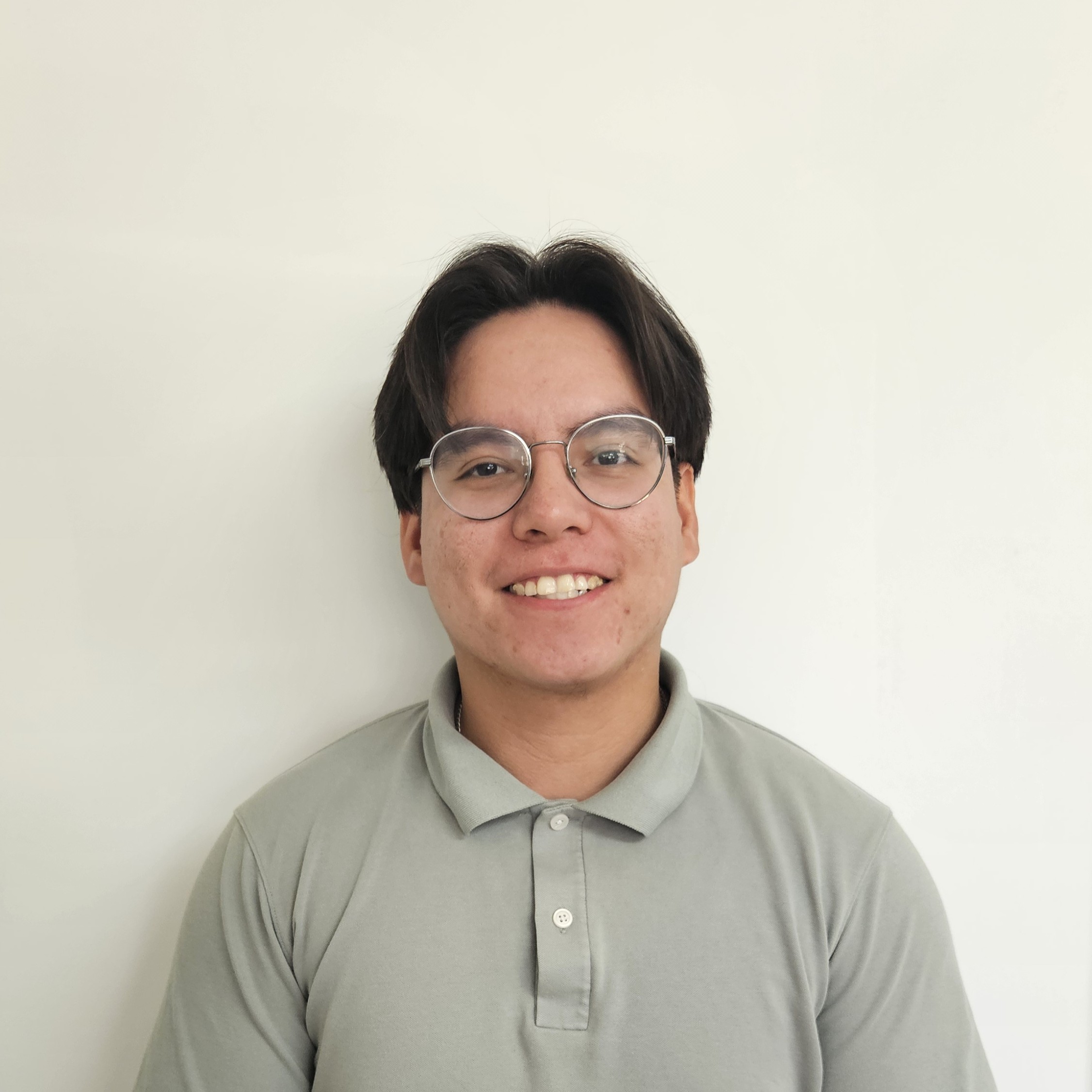
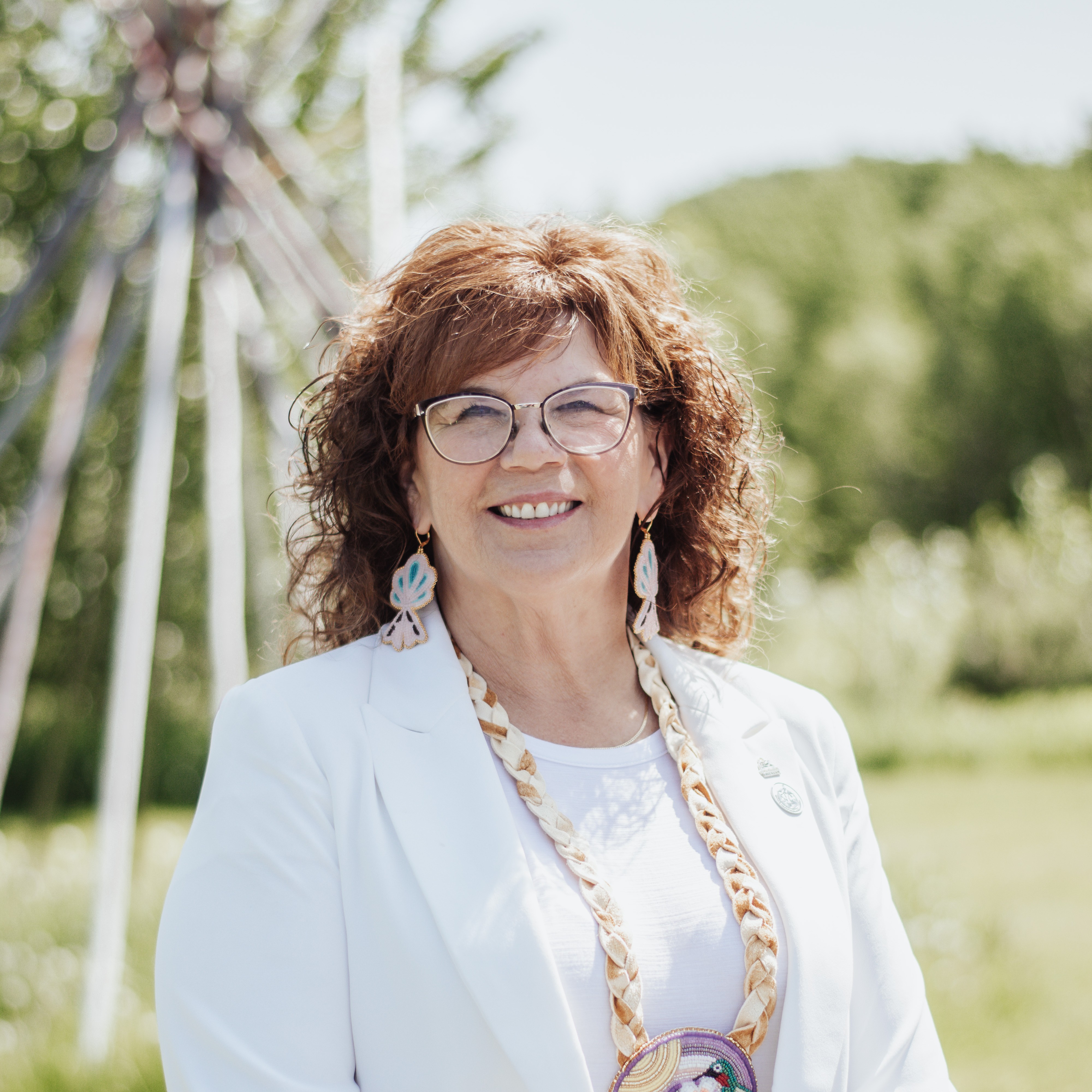
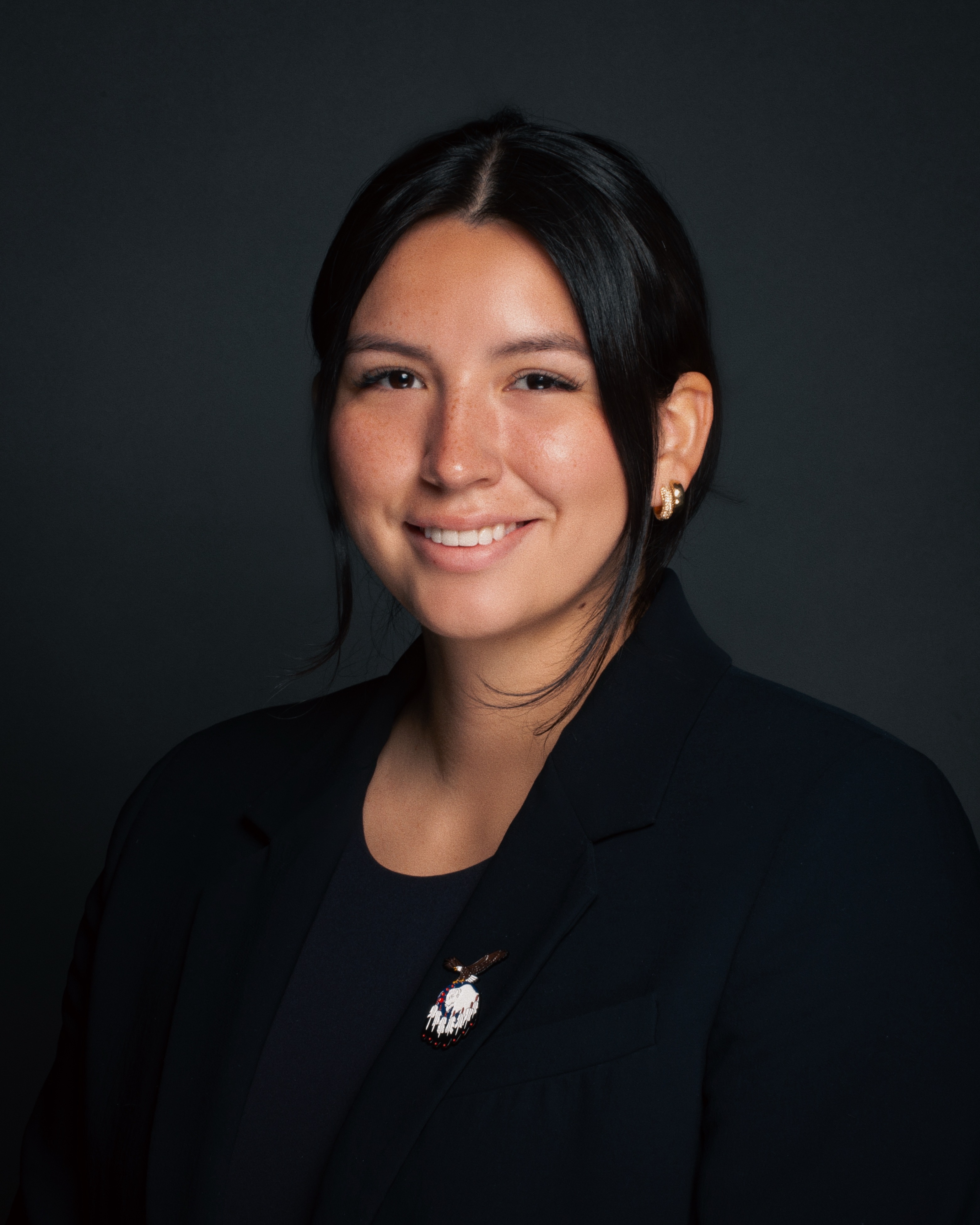
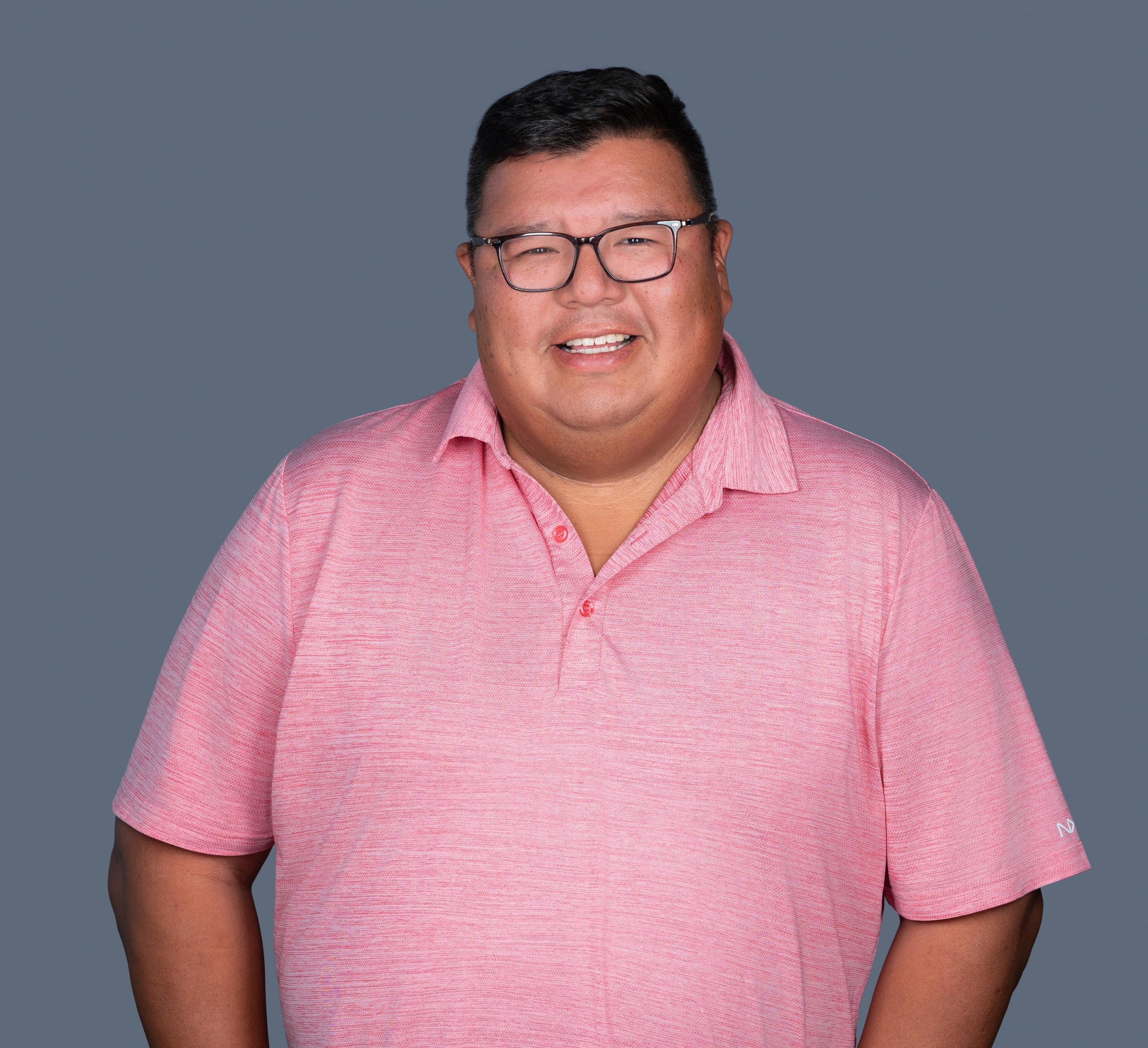
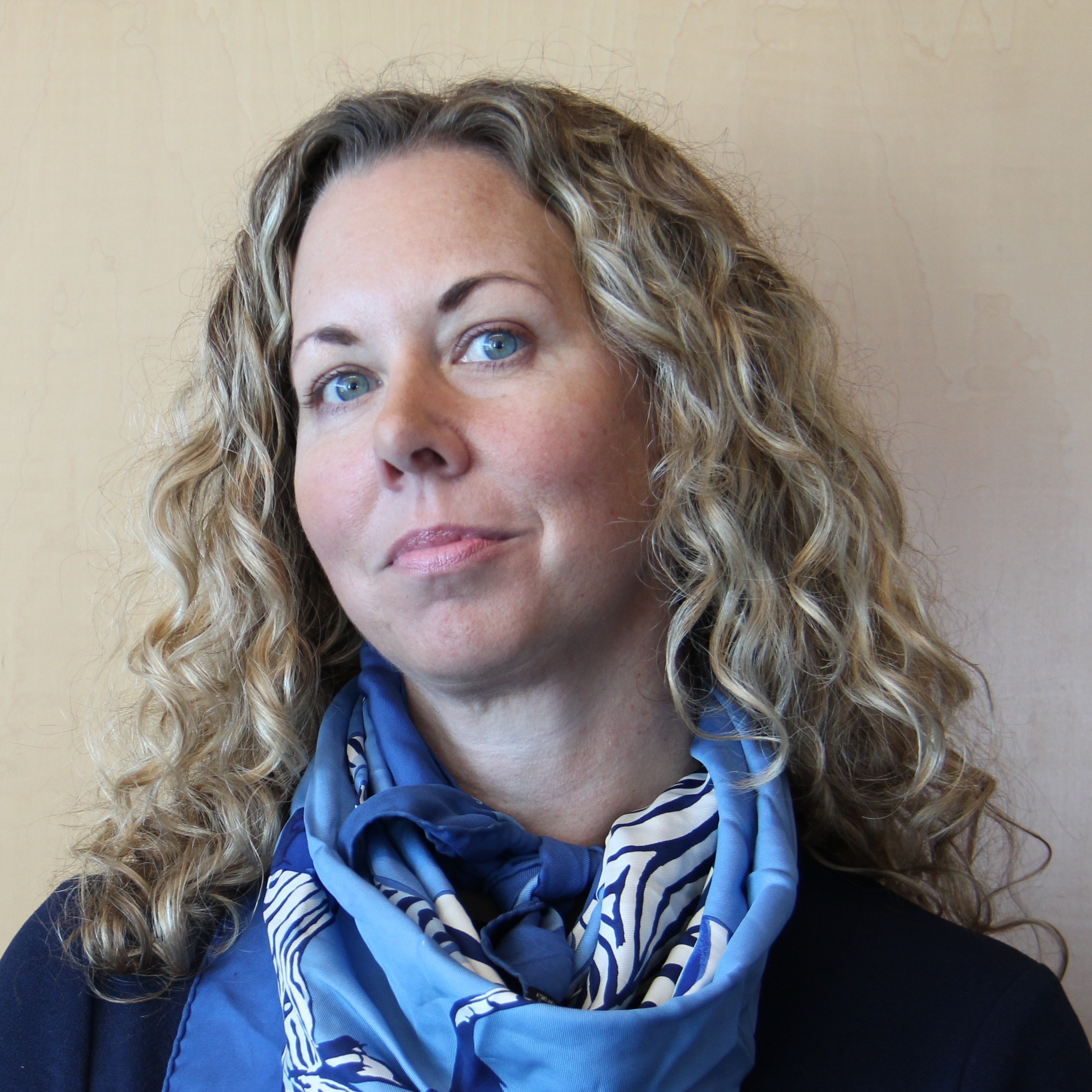
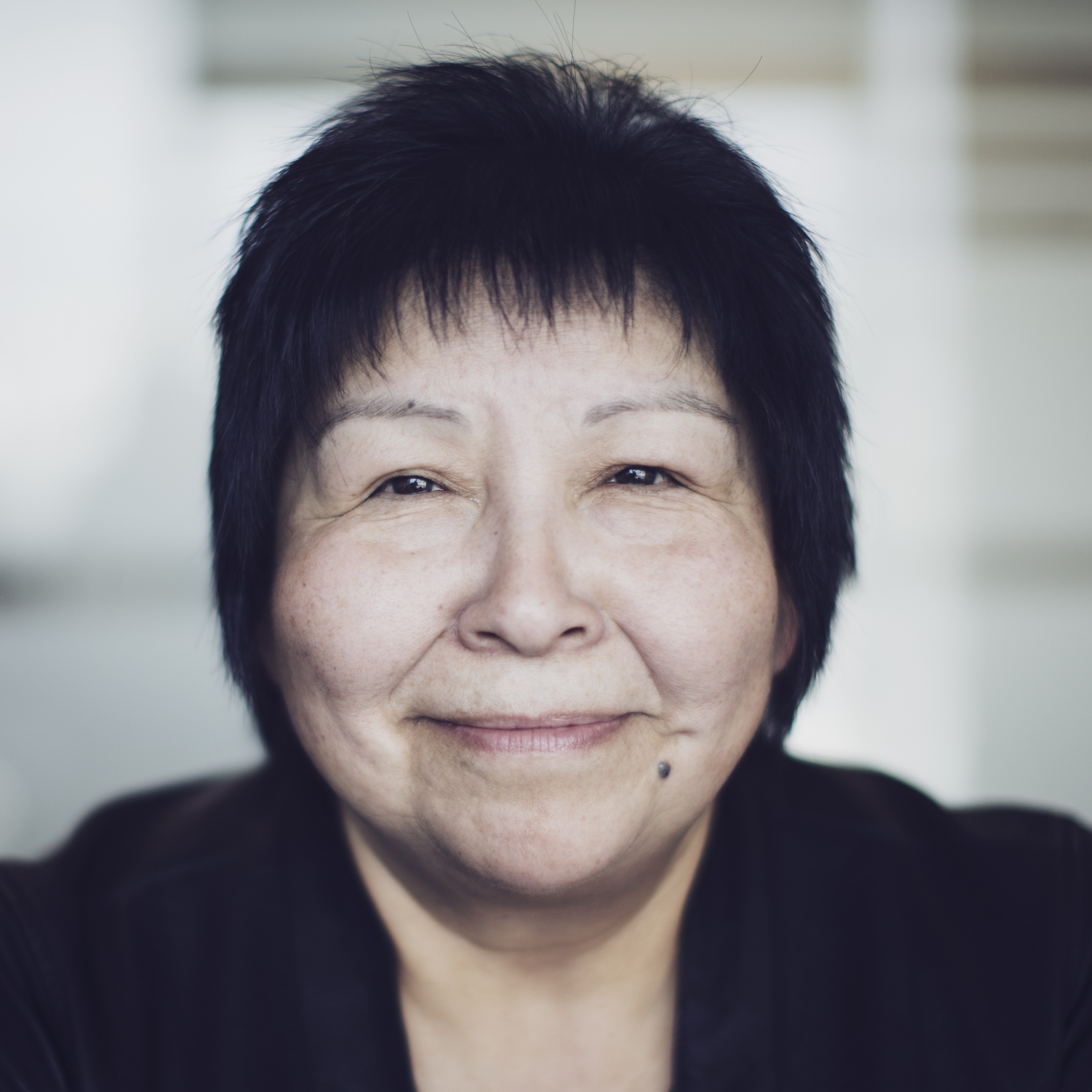
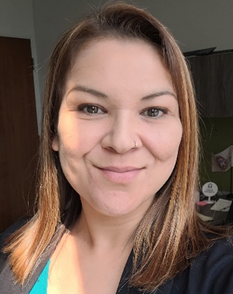
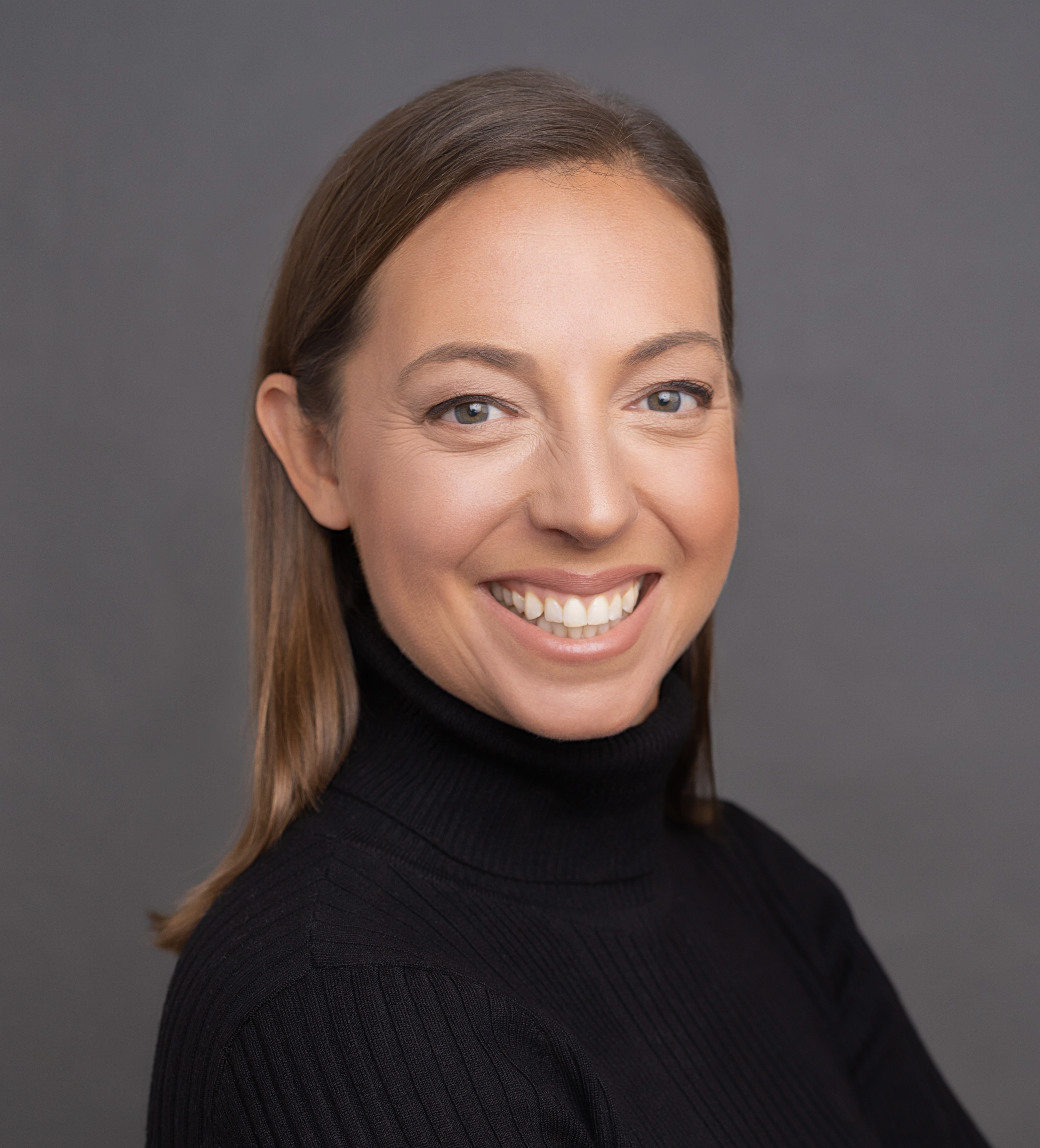
At just 25 years old, Chief Tréchelle Bunn is the first woman and youngest person ever elected Chief of Birdtail Sioux Dakota Nation, and one of the youngest serving Chiefs in Canada.
She graduated with distinction from the University of Manitoba with a Bachelor’s degree in Criminology and a minor in Indigenous Studies, and is currently pursuing a law degree at Robson Hall, the Faculty of Law at the University of Manitoba.
A dedicated advocate for Indigenous rights and youth empowerment, Chief Bunn has spoken on provincial, national, and international stages, including at the United Nations. She is the founder of the Reconciliation Run - Canada’s first National Day for Truth and Reconciliation half-marathon. A former university hockey player, she also established the first Indigenous student-athlete scholarship at the University of Manitoba.
Chief Bunn was also recently appointed to Hockey Canada’s inaugural Indigenous Advisory Circle, formed to guide Hockey Canada’s efforts to advance the Truth and Reconciliation Commission’s Calls to Action for sport (#87–91).
Her leadership and advocacy have been recognized with numerous honours, including the Indspire First Nations Youth Award, the King Charles III Coronation Medal, the CBC Manitoba Future 40 Award, and the University of Manitoba Outstanding Young Alumni Award.


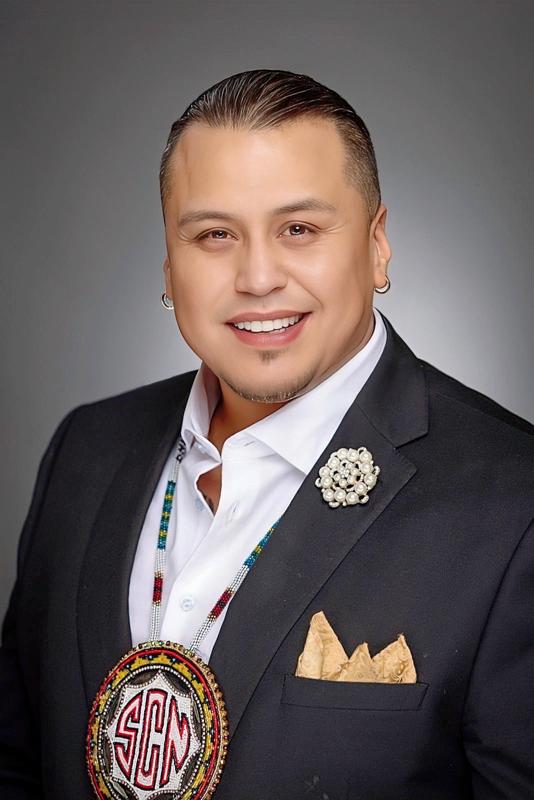
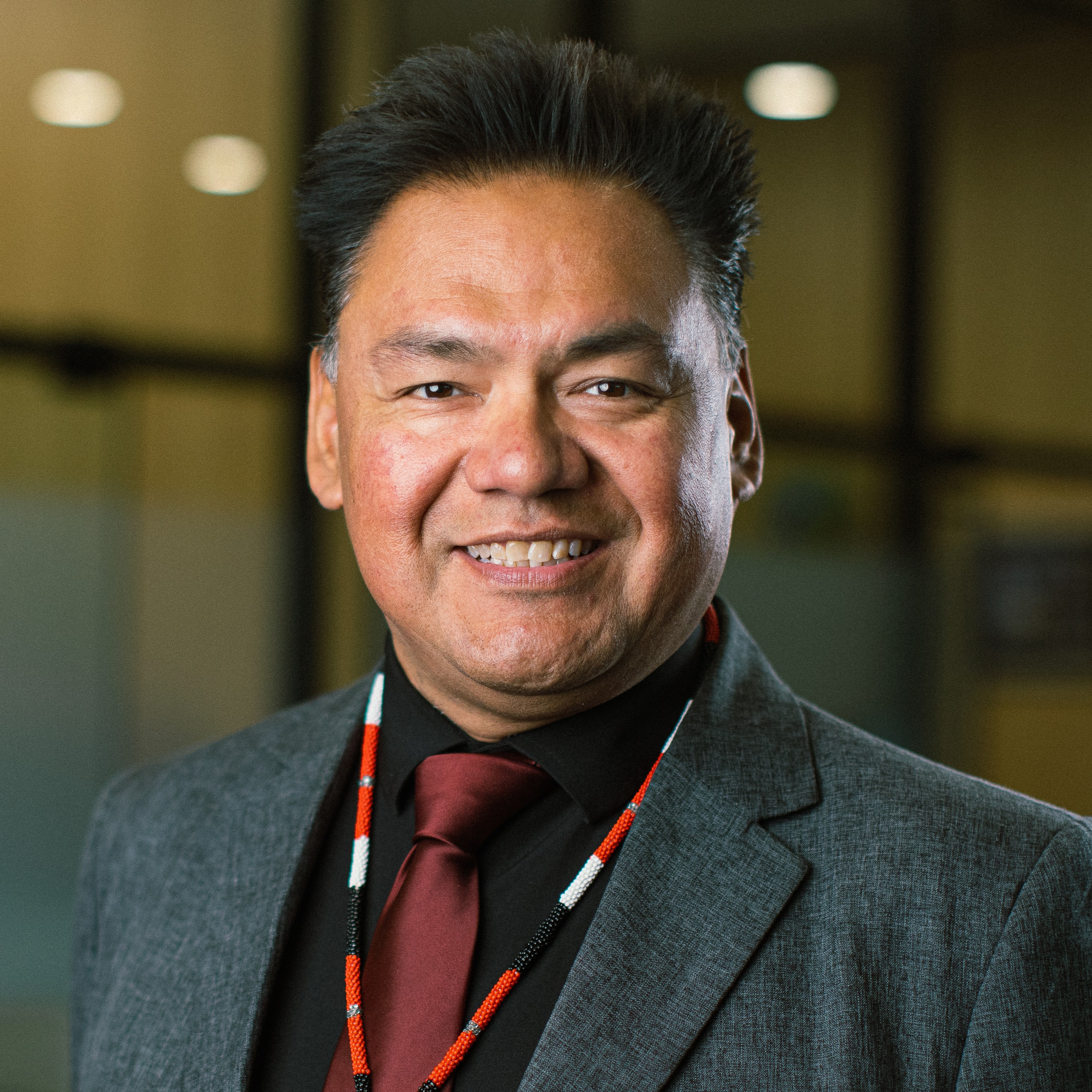
Deputy Grand Chief Bobby Narcisse is an Ojibway leader from Aroland First Nation in Treaty 9 territory, widely recognized for his long-standing dedication to improving outcomes for First Nations youth, families, and communities. With academic training in political studies and law at Lakehead University and early experience at the Native Law Centre in Saskatchewan, Bobby has spent more than two decades advancing community development across Nishnawbe Aski Nation.
His nine years as Director of Social Services at NAN were marked by major reforms in child and family services, family well-being, and youth supports. Bobby played a pivotal role as NAN’s lead in the Canadian Human Rights Tribunal case that found the federal government guilty of racially discriminating against First Nations children, advancing one of the most significant victories for Indigenous youth equity in Canada.
Bobby has worked directly with young people as an Education Counsellor, athletics lead, and land-based learning coordinator at Dennis Franklin Cromarty High School. He has led youth leadership teams to First Nation communities, supported international development initiatives, and continues to mentor young leaders through the Regional Multicultural Youth Council.
A strong advocate for empowerment through culture, confidence, and opportunity, Bobby brings a lifelong commitment to helping the next generation build strong futures—guided by his belief that “the best way to predict the future is to create it yourself.”
.jpg)

.jpg)
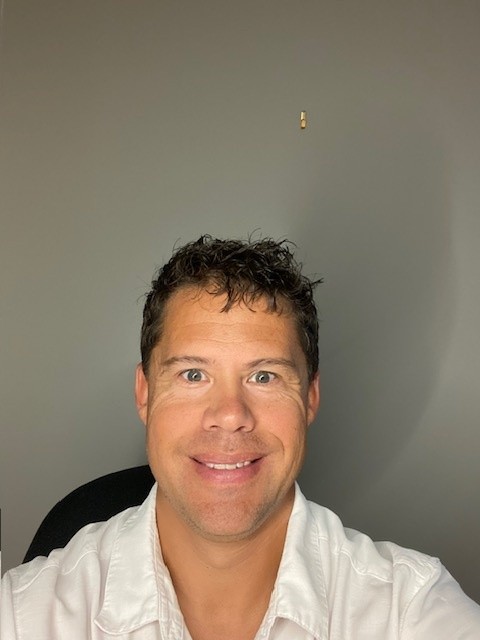
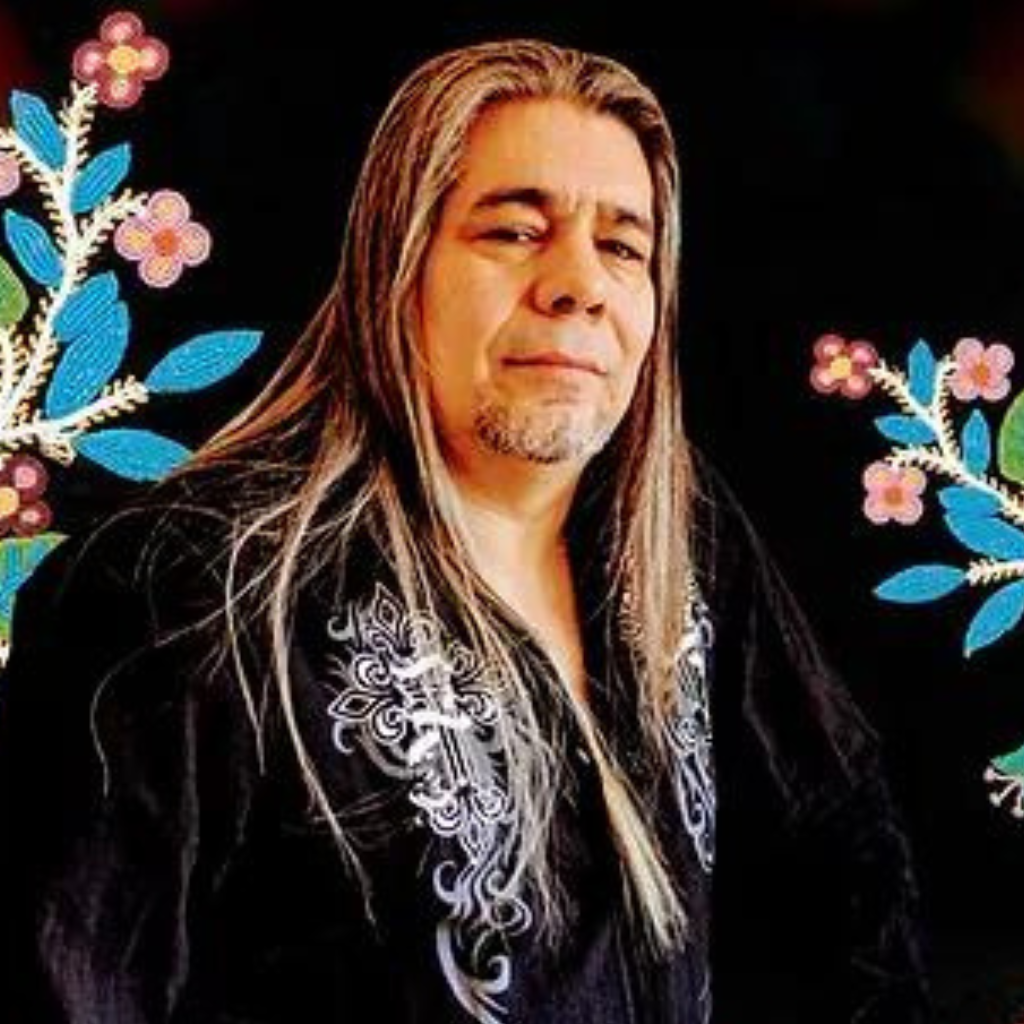
Don Huff
Eco Strategy Founder
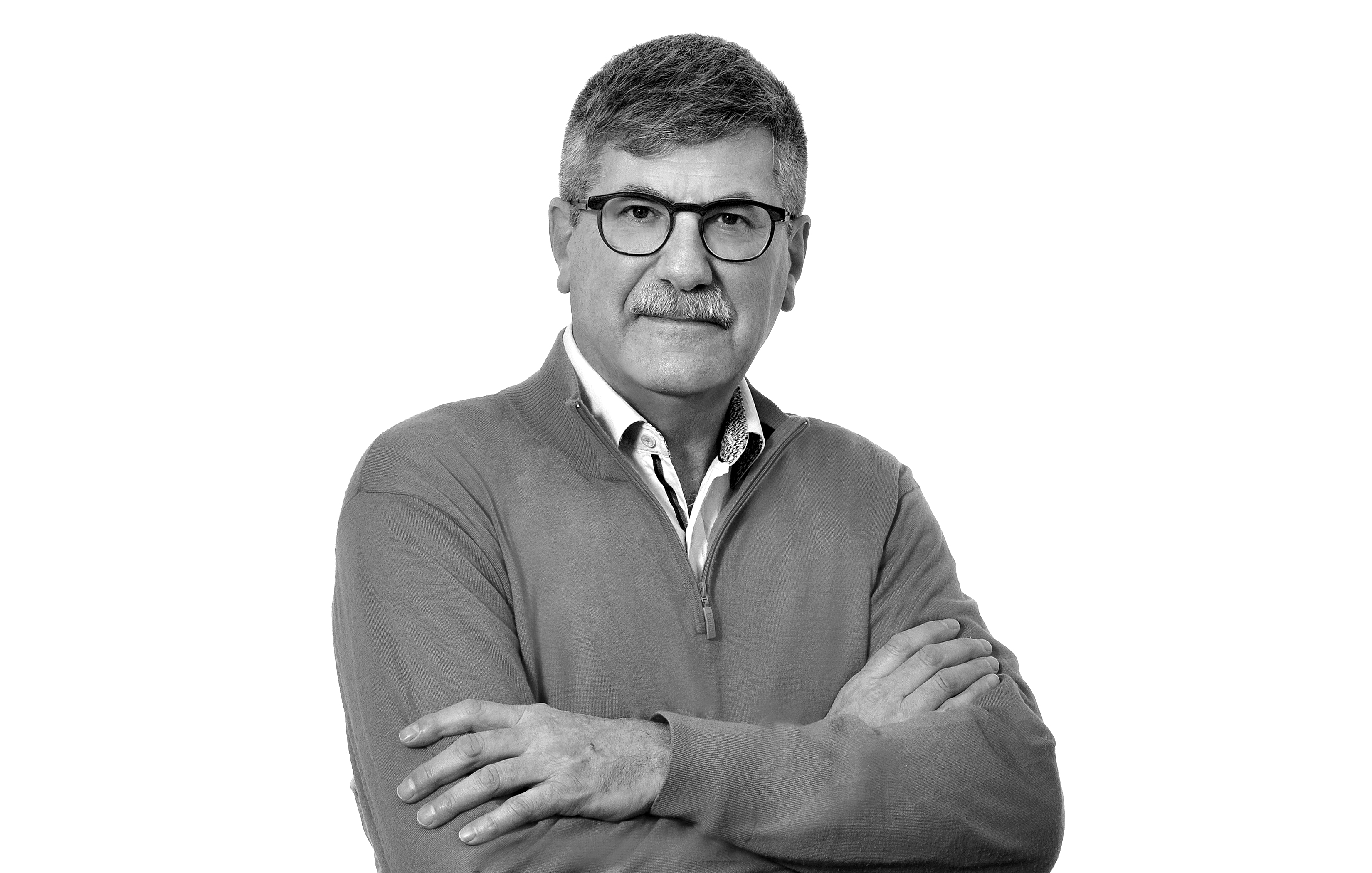
Don Huff is the founder of ECO Strategy and a Clean50 recipient, celebrated for his dedication to sustainability, environmental advocacy, and economic development. With deep expertise in government relations and strategic communications, Don has led successful initiatives across Canada, particularly in northern Ontario. His work spans various sectors, advising corporations on transitioning to Alternative Low Carbon Fuels, collaborating with NGOs, First Nations communities (including Cat Lake First Nation), politicians, and leaders in environmental conservation. Recognized with numerous accolades, including a lifetime membership from Ontario Nature and the Latornell Lifetime Achievement Award, Don’s leadership continues to drive innovation in sustainability and economic growth.


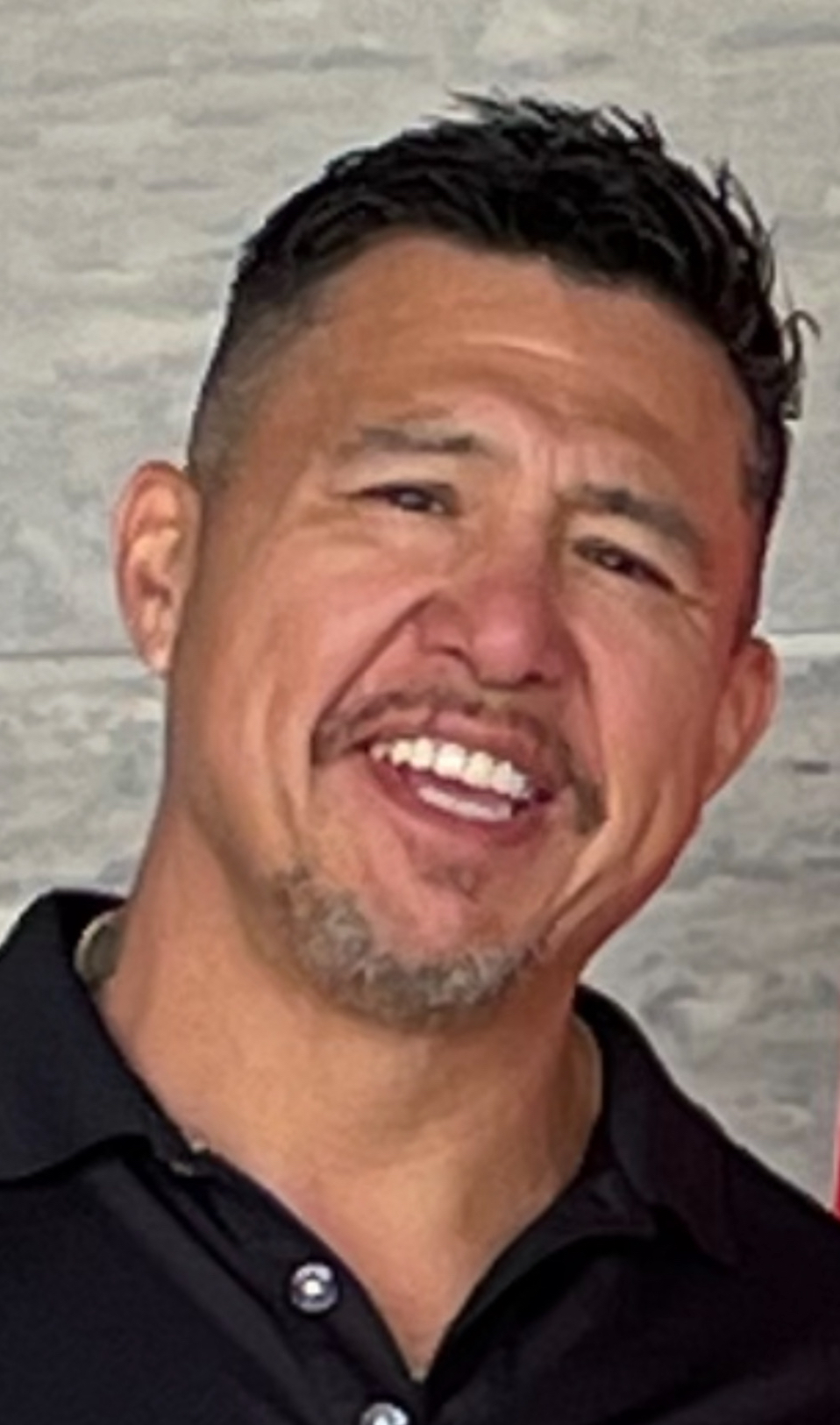
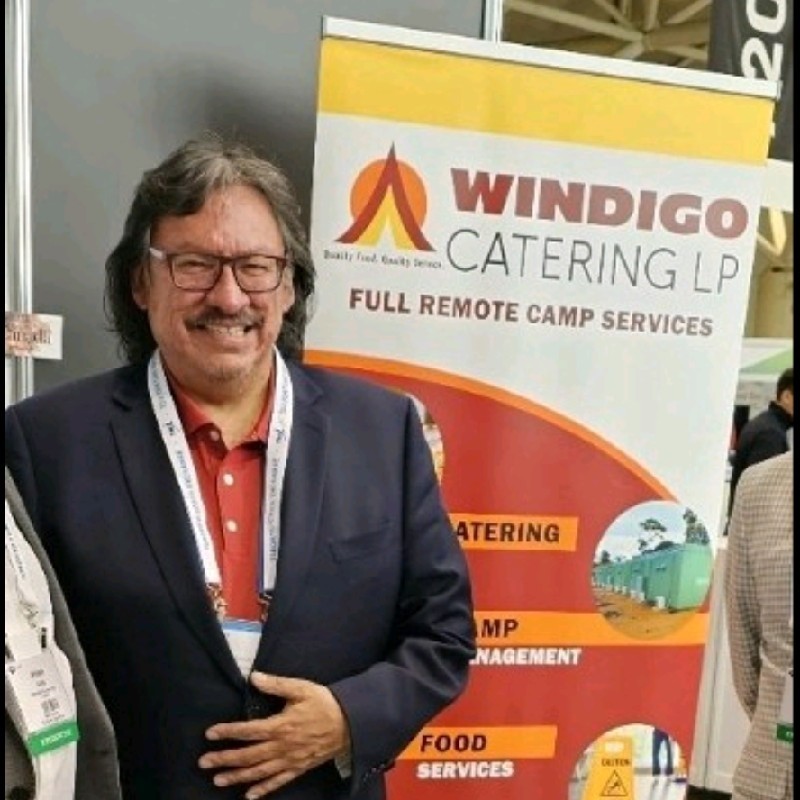
Frank McKay has over 40 years experience working on First Nations issues including health and addictions, housing and infrastructure, economic development and energy. He has served as the Executive Director for NAN legal services, the co-chair for Wataynikaneyap Power and, for the last 16 years, as the Chair and CEO of the Windigo First Nations Council. He has committed his career to creating a healthier, more sustainable future for First Nations living in Ontario’s far north.
Frank graduated from grade 8 from the Poplar Hill Residential School and went on to finish his high school diploma at the Northwestern High School in Stratford Ontario. He studied to be an architectural technician at Fanshawe College in London, Ontario before returning to his home community of Sachigo Lake First Nation, in the province’s northwest.
Frank is the father of three sons and three grandchildren. He is fluent in English and Oji-Cree and currently resides in Thunder Bay, Ontario. A strong proponent of the Aboriginal and Treaty rights of his people, Mr. McKay is a well-respected leader in the WFNC and Nishnawbe Aski Nation territory.


Gabrielle Slowey is an Associate Professor in the Department of Politics at York University. She has been working in/for Indigenous communities since 1997 when she was first hired by the Mikisew Cree First Nation as a self-government officer. Since that time she has travelled to (or worked in/with) the Miqmaq and Malisset communities of New Brunswick, the Mikisew Cree First Nation of Alberta, the James Bay Cree of northern Quebec, the Ngai Tahu and Tainui of New Zealand, the Vuntut Gwitchin of Old Crow Yukon, the Inuvialuit of Tuktoyaktuk, Northwest Territories and the Nishnawbe Aski Nation, Ontario. Her research concentrates on the politics of resource extraction, environmental/ecological integrity, democracy, the duty to consult, land claims, treaties and self-government. Her approach is very much community-based and community-driven. She is the author of many chapters and articles including “The Shifting State: Rolling Over Indigenous Rights in Ontario.” Indigenous Peoples, Natural Resources and Governance. Routledge (2022).


JP Gladu is currently Principal of Mokwateh and previously served as the President and CEO of the Canadian Council for Indigenous Business for approximately eight years. Mr. Gladu has nearly 35 years of experience in the natural resource sector including working with Indigenous communities and organizations, environmental non-government organizations, industry and governments from across Canada and the globe.
Mr. Gladu serves on the boards of Suncor, the Institute of Corporate Directors, Superior Plus, BHP’s Forum for Corporate Responsibility, Domtar’s Sustainability Committee and most recently the Major Projects Office Indigennous Advisory Committee. He has completed a forestry technician diploma from Sault College, obtained an undergraduate degree in forestry from Northern Arizona University, holds an Executive MBA from Queens University, an ICD.D from Rotman School of Management University of Toronto, an honorary doctorate in law from Carleton University in 2024 and an honorary doctorate in business from Lakehead University in 2025.
He is a senior fellow with the Macdonald-Laurier Institute and served as the Chancellor of St. Paul’s University College Waterloo from 2017 to 2020. JP’s achievements have been recognized by the Public Policy Forum as a prestigious 2024 Honouree and the Premiers Award.


John D Beardy is currently the Director of Business Development at Windigo
Community Development Corporation. He is a member of Bearskin Lake First Nation but resides in Thunder Bay, ON.
His formal education and training is in business management, and has over 20 years of business management experience with First Nation businesses. His experience includes primarily in sales, marketing and business development roles in aviation, construction and development corporation sectors.
His interest is in managing and growing indigenous businesses for sustainability and profitability. This includes developing and strategizing how indigenous businesses grow and capture the numerous opportunities arising from development within indigenous territories. Another aspect in business development he specializes in is creating and negotiating partnerships for maximizing the benefits for the indigenous community.


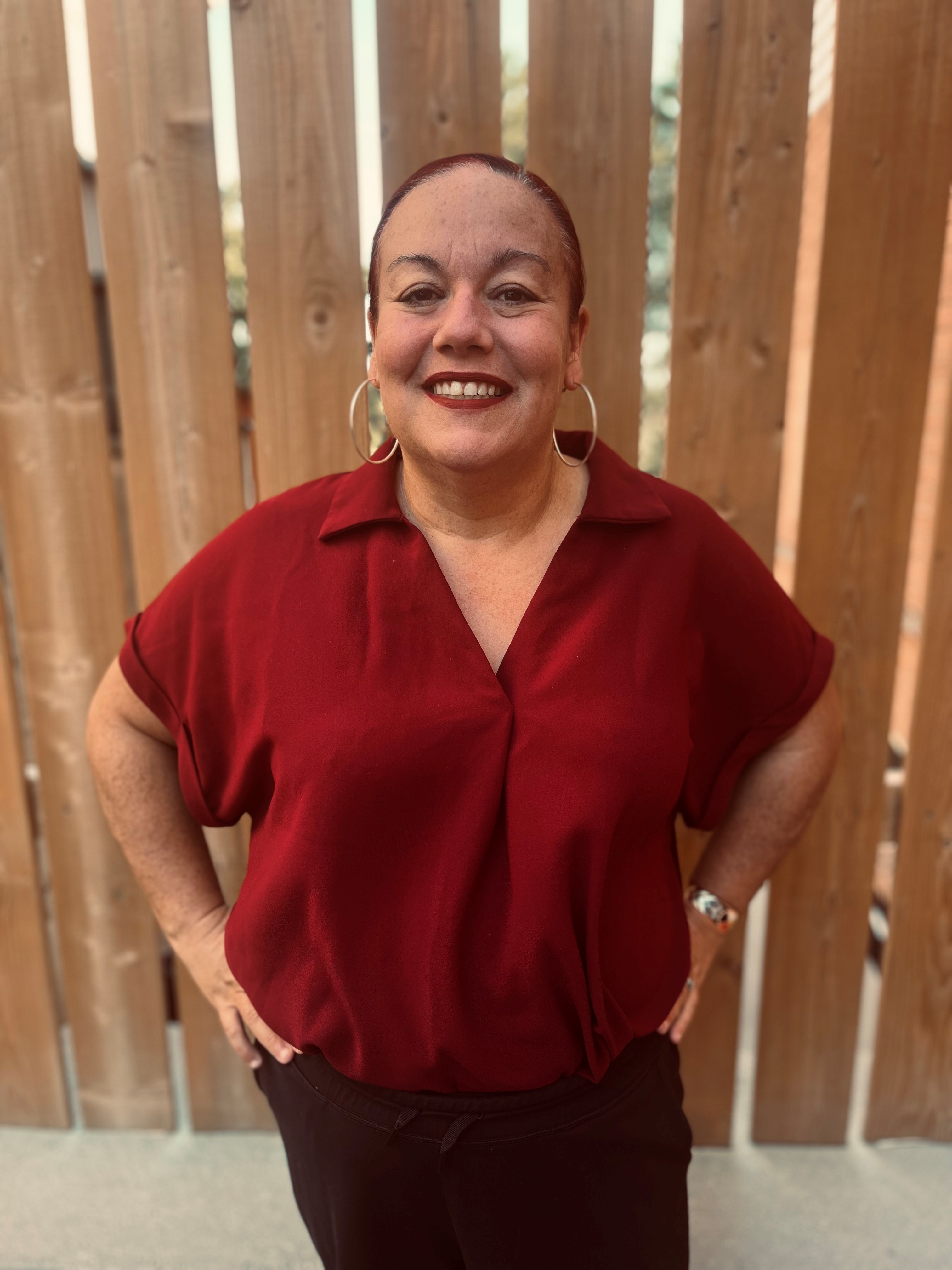
Margaret Kenequanash has spent over 20 years leading initiatives to bring reliable power to First Nations in northern Ontario. She has been CEO of Wataynikaneyap Power since August 2017: an Indigenous-led, licensed transmission entity that brought grid connection to remote First Nations previously powered by diesel generators. Margaret has a vast wealth of knowledge gleaned from over 25 years in various high-level positions, including being on the Sioux Lookout Municipal Council from 1990-1994 and Executive Director of the Shibogama First Nations Council from 2005-2017. Margaret carries the distinction of being the first female Chief in her community at North Caribou Lake First Nation when she was elected in 1996. She is well known and respected throughout First Nation communities and government for her work in promoting opportunities and better quality of life for First Nation Peoples.


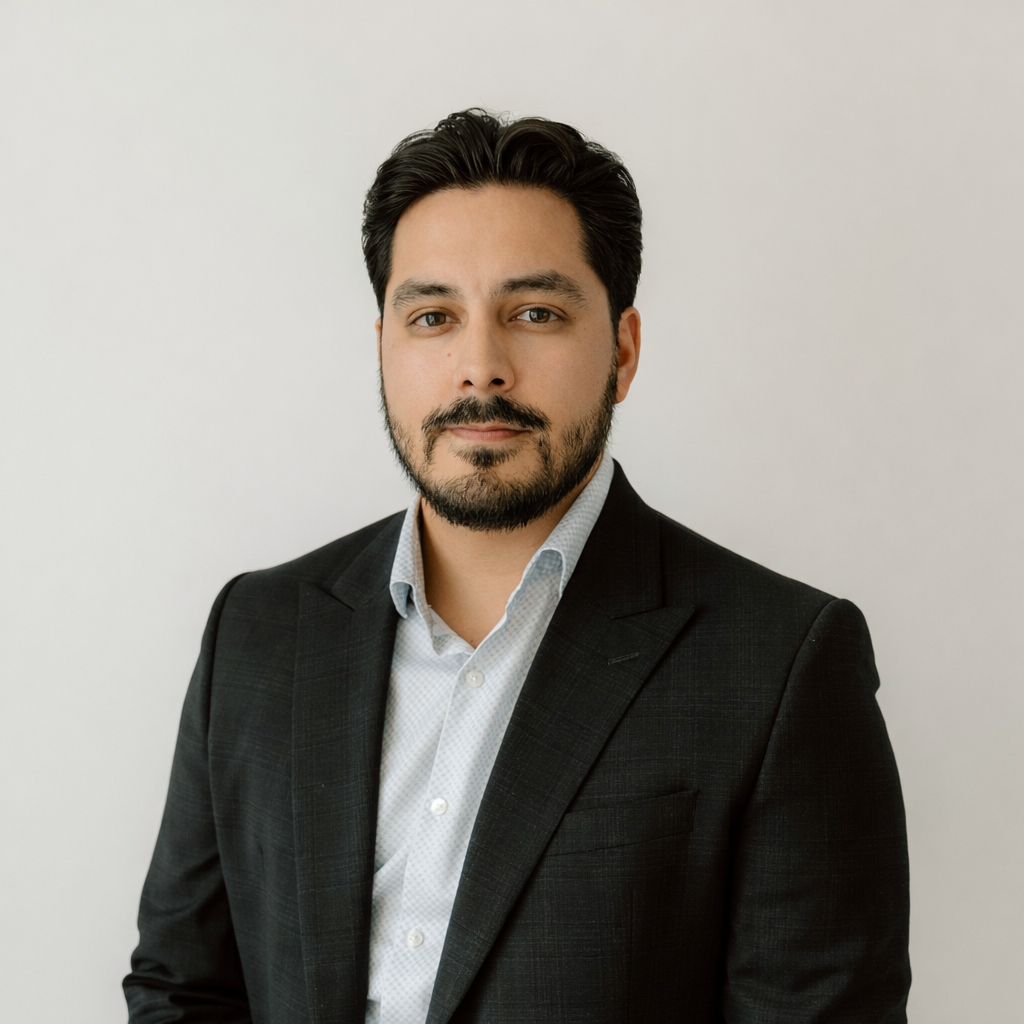
Michael Fedchyshyn brings more than 20 years of leadership experience in strategic corporate development, infrastructure investing, structured finance, and public-private contracting. He joins the Building Ontario Fund from Invest Ontario, where he served as Interim CEO, driving high-impact investments in alignment with the province’s long-term economic priorities. Prior to his time at Invest Ontario, Michael held senior leadership positions at Infrastructure Ontario where he led the creation of the Transit Oriented Communities program and other priority initiatives.
.jpeg)

.jpeg)
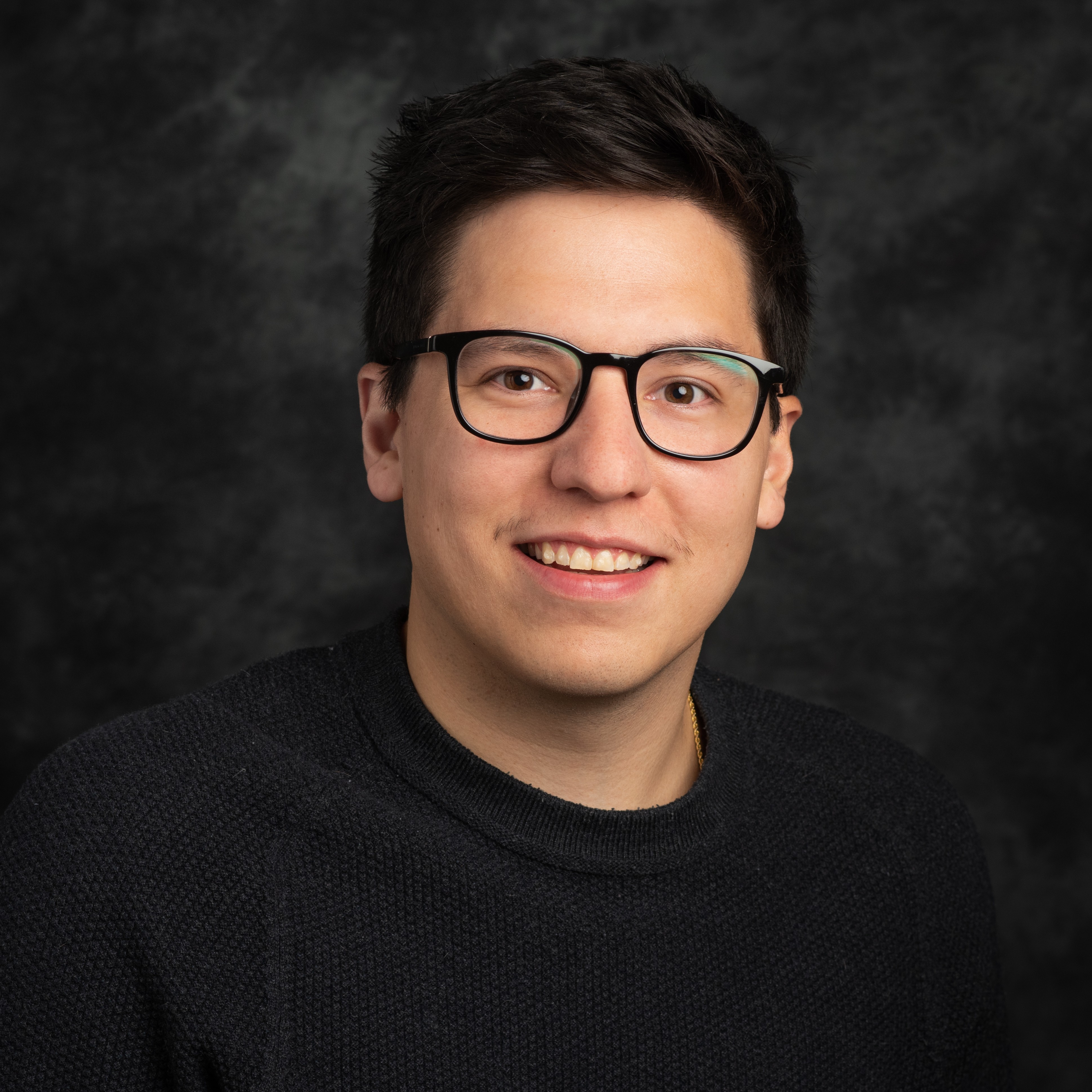
Ryan Fleming is a proud Omushkego Cree researcher from Attawapiskat First Nation, born and raised in Moose Factory of Moose Cree First Nation. He is a PhD candidate in Political Science at the University of Toronto and an incoming law student, specializing in Canadian Politics, International Relations, and Indigenous governance. His research examines Treaty No. 9 as a living constitutional order and charts pathways for Indigenous-led treaty modernization, drawing on modern treaties and Indigenous constitutionalism to develop frameworks for shared jurisdiction, treaty federalism, and co-governance. He also analyzes how recent legislative accelerants, including Ontario’s Bill 5 and Canada’s Bill C-5, are reshaping governance and decision-making across treaty lands. Ryan has served in federal policy roles with Indigenous Services Canada, Crown–Indigenous Relations and Northern Affairs Canada, and Public Safety Canada, and extends this work internationally through engagement with the United Nations Permanent Forum on Indigenous Issues and the Expert Mechanism on the Rights of Indigenous Peoples.